The history of racing in Zandvoort began even before World War II. On June 3, 1939, the very first car race was held on a temporary track in the village and dunes of Zandvoort. This race, organized by local enthusiasts, drew a large crowd. This led to the construction of a permanent circuit in the dunes of Zandvoort in 1946. The first official race on the permanent circuit took place on August 7, 1948. Although this race was not an official part of the championship, it was well attended by Formula 1 drivers of that era.
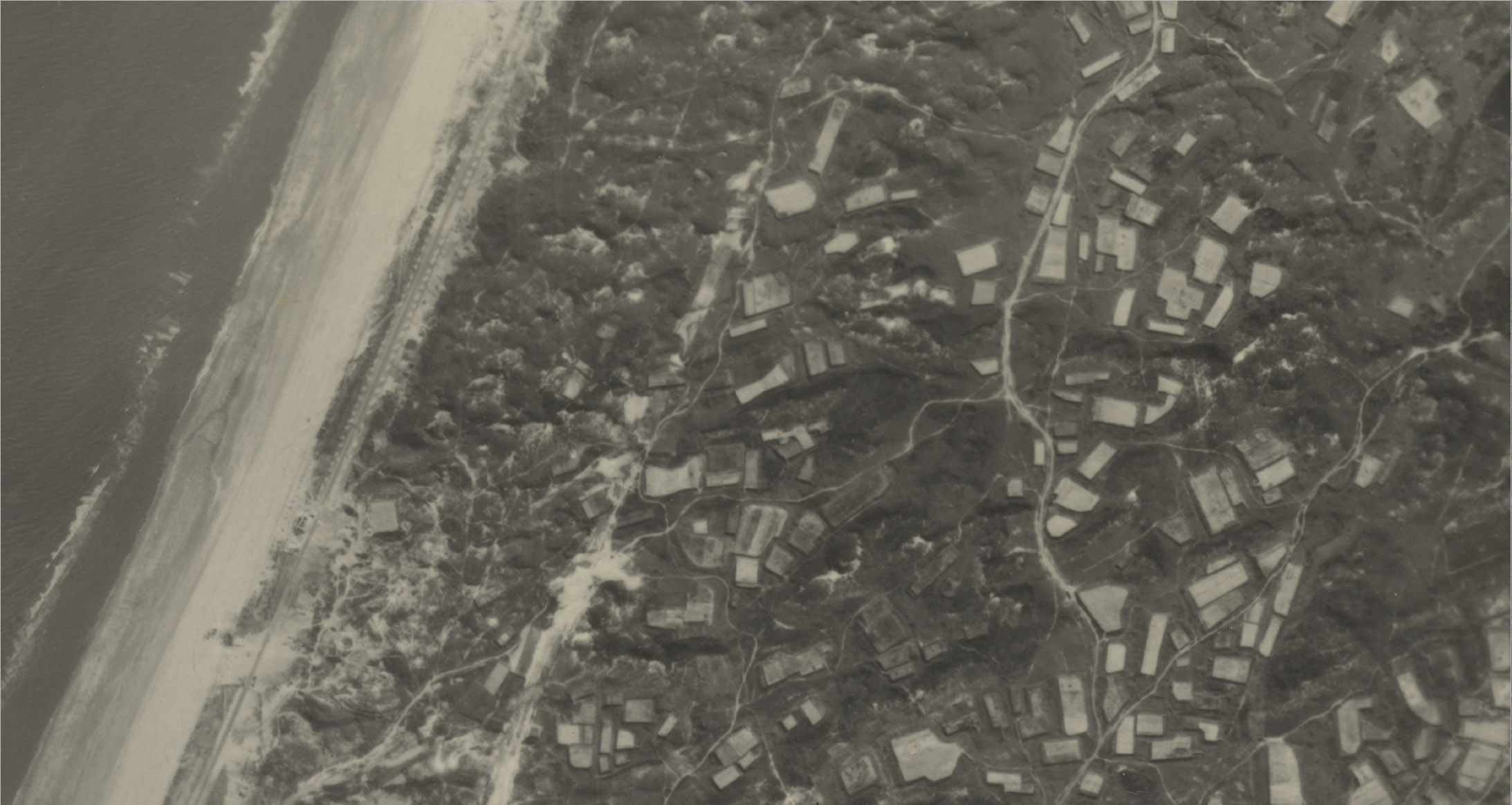
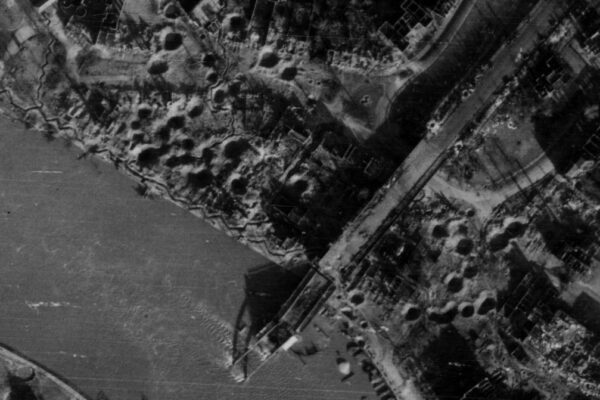
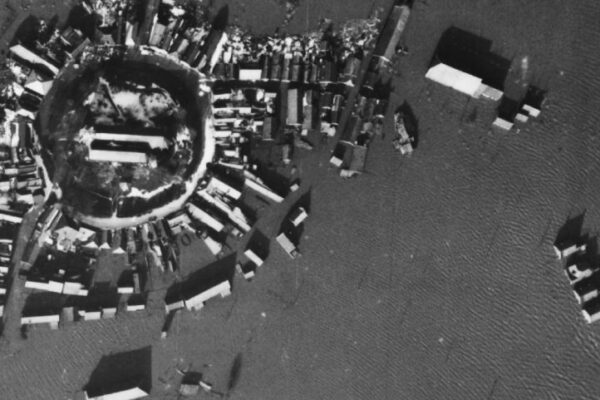
This is a photo from 1944, in which you can already make out the start-finish line quite clearly.
The first major races and international attention
Starting in 1952, the Zandvoort circuit became part of Formula 1 and was known as “the Dutch Grand Prix.” Between the 1950s and the 1980s, the Zandvoort circuit was a very popular Grand Prix venue. Its location among the dunes made the race truly unique, giving it enormous appeal for fans and drivers alike. Famous drivers who have raced on this circuit include Juan Manuel Fangio, Jim Clark, and Jackie Stewart.
After the final race in 1985—which, incidentally, was won by Niki Lauda—Zandvoort stopped hosting Formula 1 races. This was due to financial and organizational reasons; the circuit faced significant costs for modernization and safety improvements.
Nevertheless, Zandvoort remained active with other races and events and built a historic reputation on this foundation.
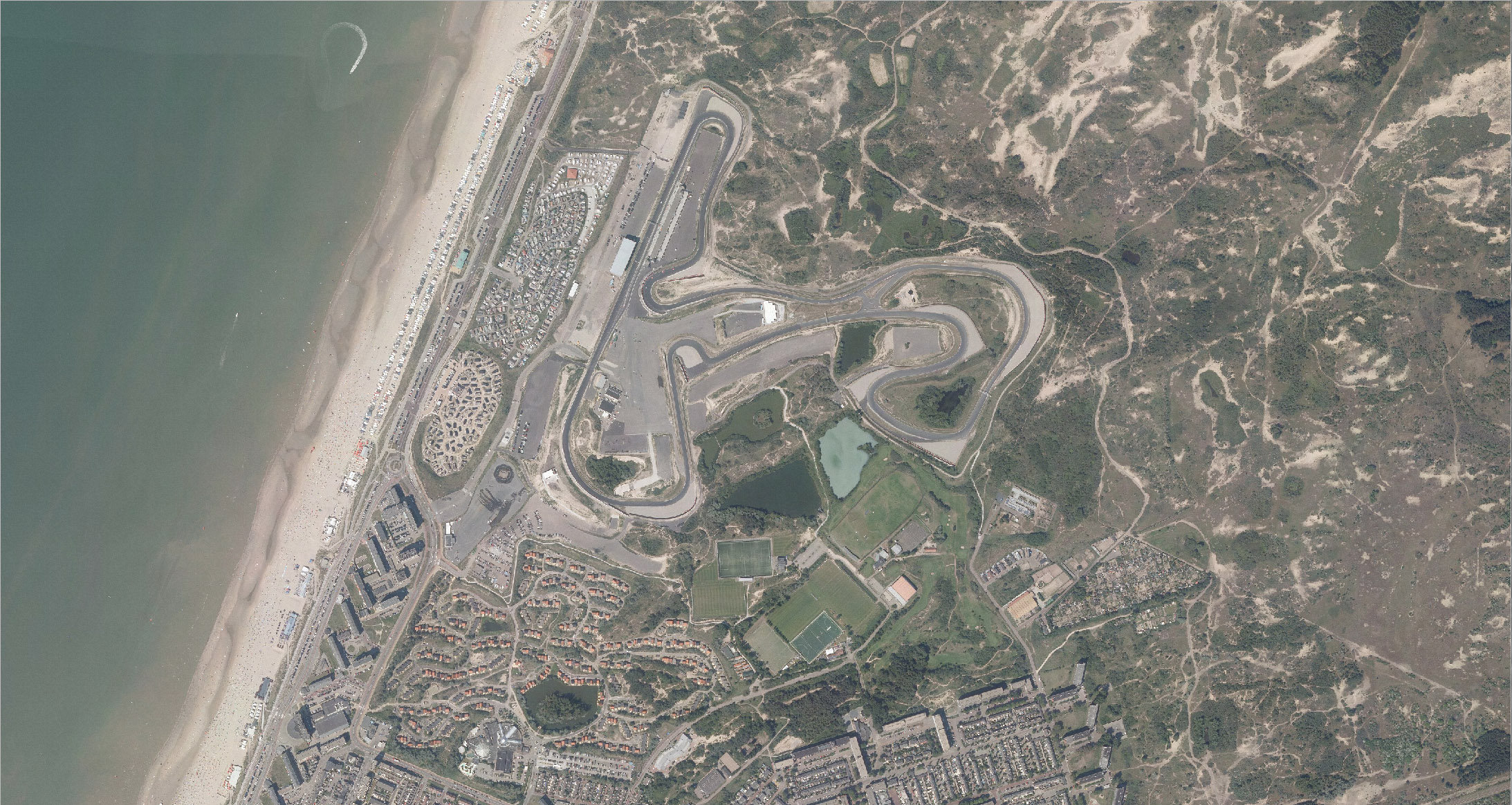
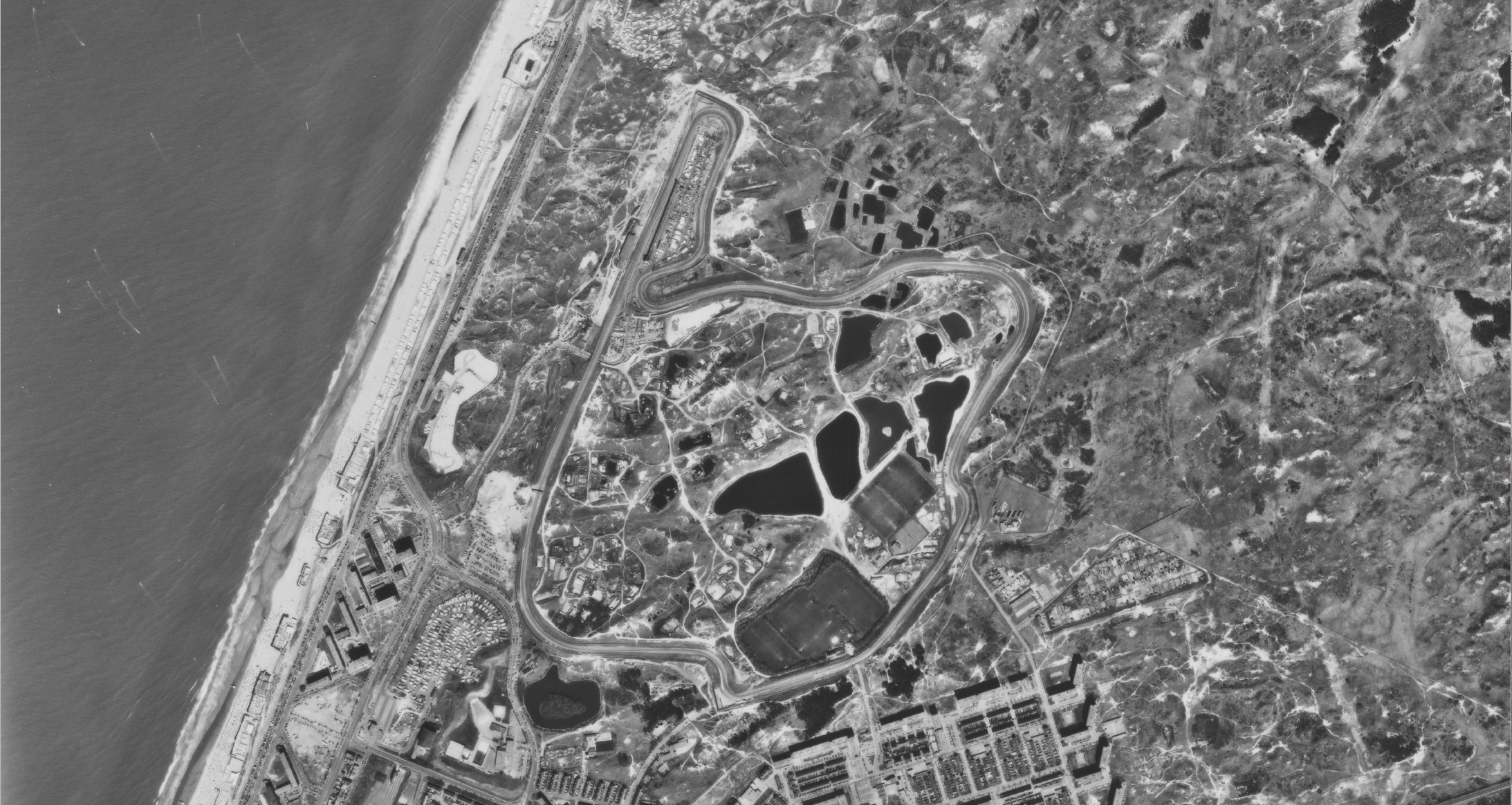
Aerial view of the racetrack in 1984 vs. 2020—you can clearly see how different the racetrack looked that year.
Zandvoort Back on the World Map
In 2021, Formula 1returnedto Zandvoort. This was celebrated in a big way, because we could now watch “our own” Max Verstappen race. The race drew a huge crowd, with 195,000 fans in Zandvoort over the weekend. And they didn’t come for nothing—Verstappen won both qualifying and the race, which proved decisive for the world championship. Thanks to this victory, Max Verstappen took the lead in the championship from Lewis Hamilton by a margin of three points, giving Verstappen a chance in the infamous Abu Dhabi race, where he ultimately became world champion by a margin of eight points.
In recent years, there have already been negotiations to keep the Dutch Grand Prix on the Formula 1 calendar; March 2026 will be the last time it is held. The main reason for this is that the organizers have decided to end the race while it’s still at its peak.
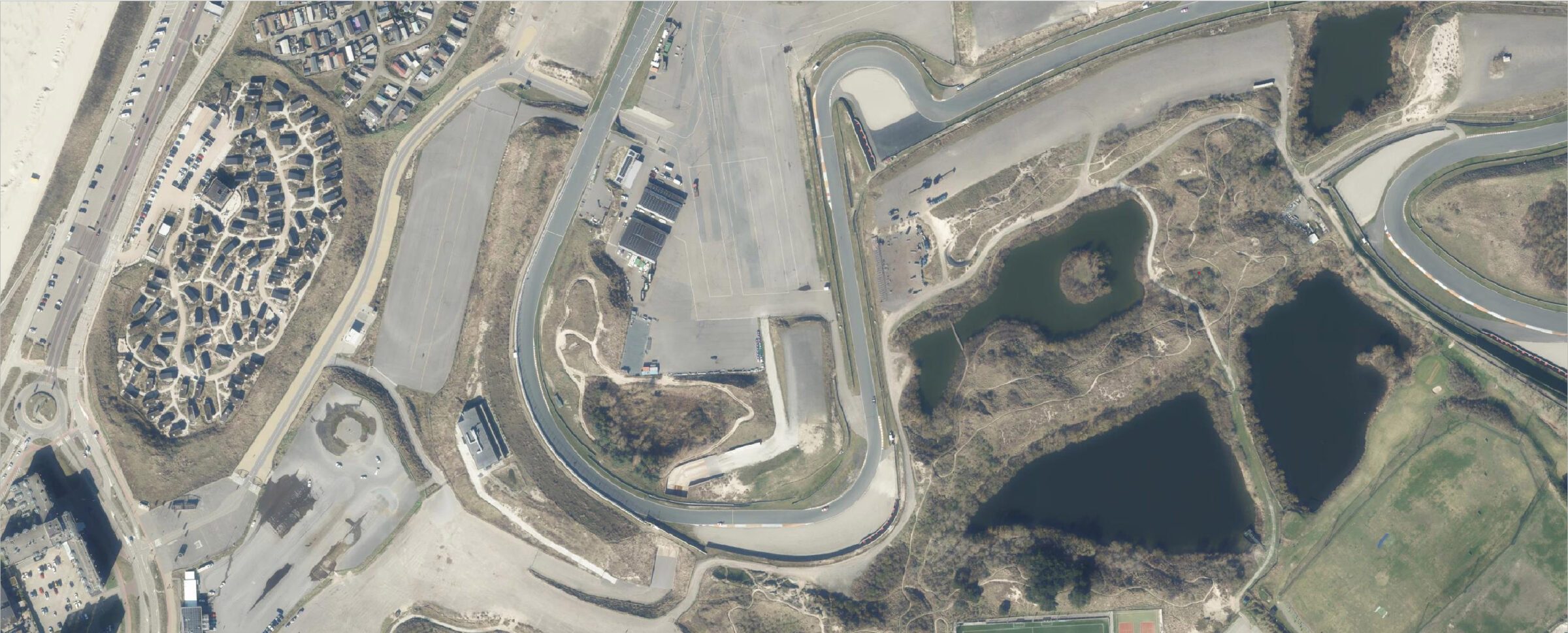
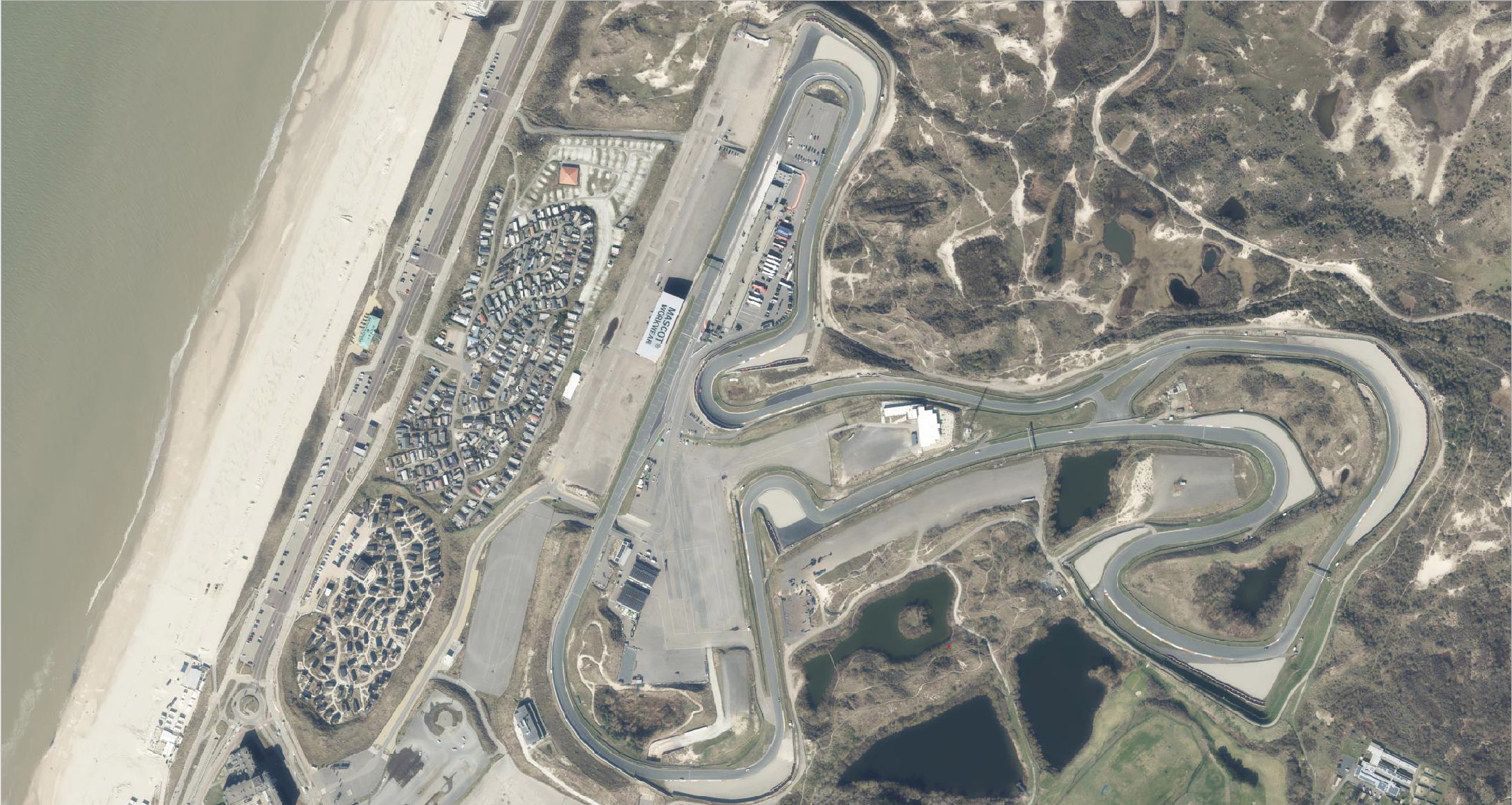
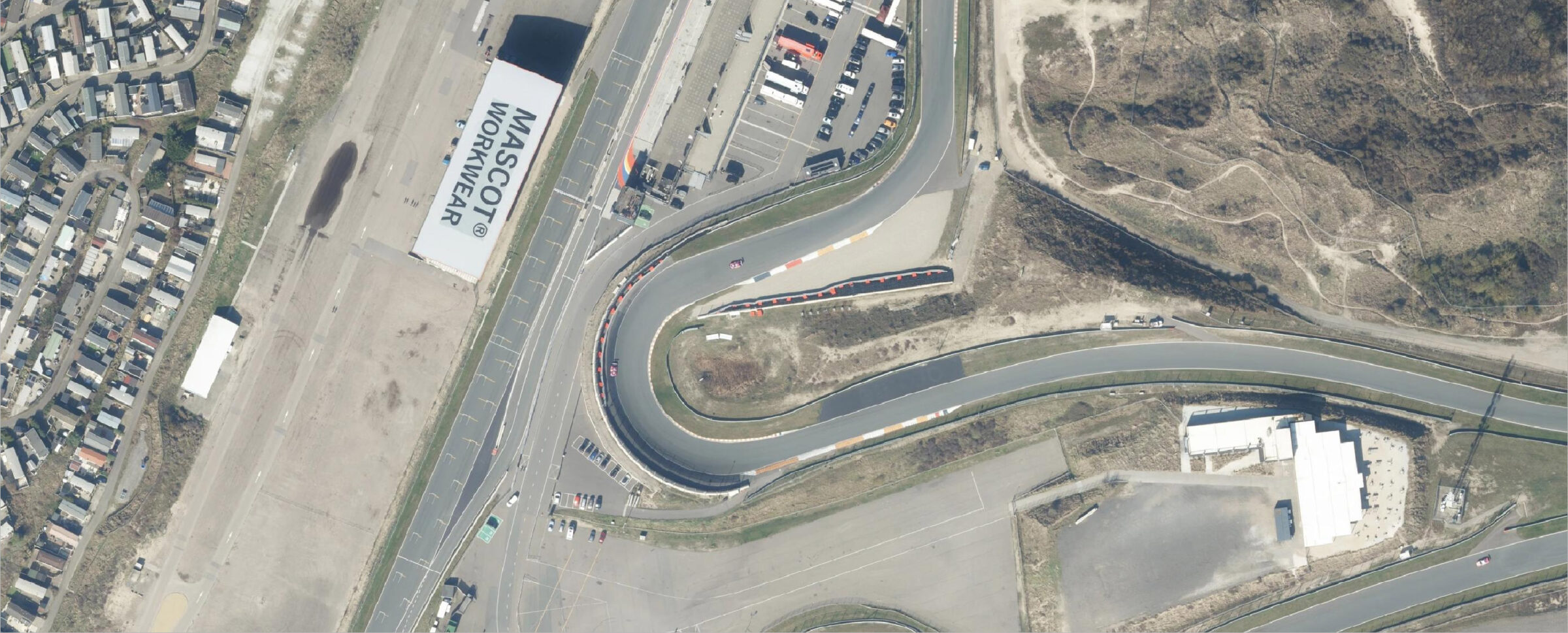
This is what the track looks like today.
Recent material licensed under CC BY 4.0
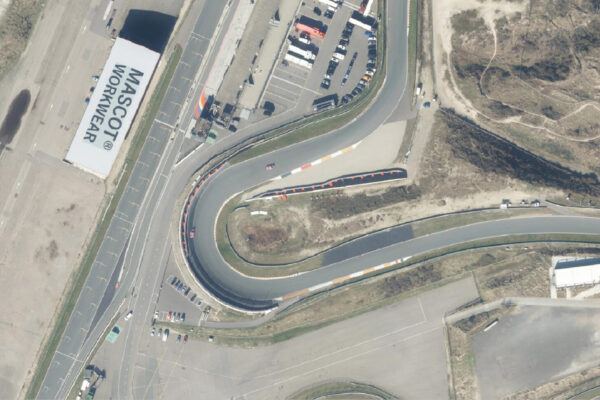
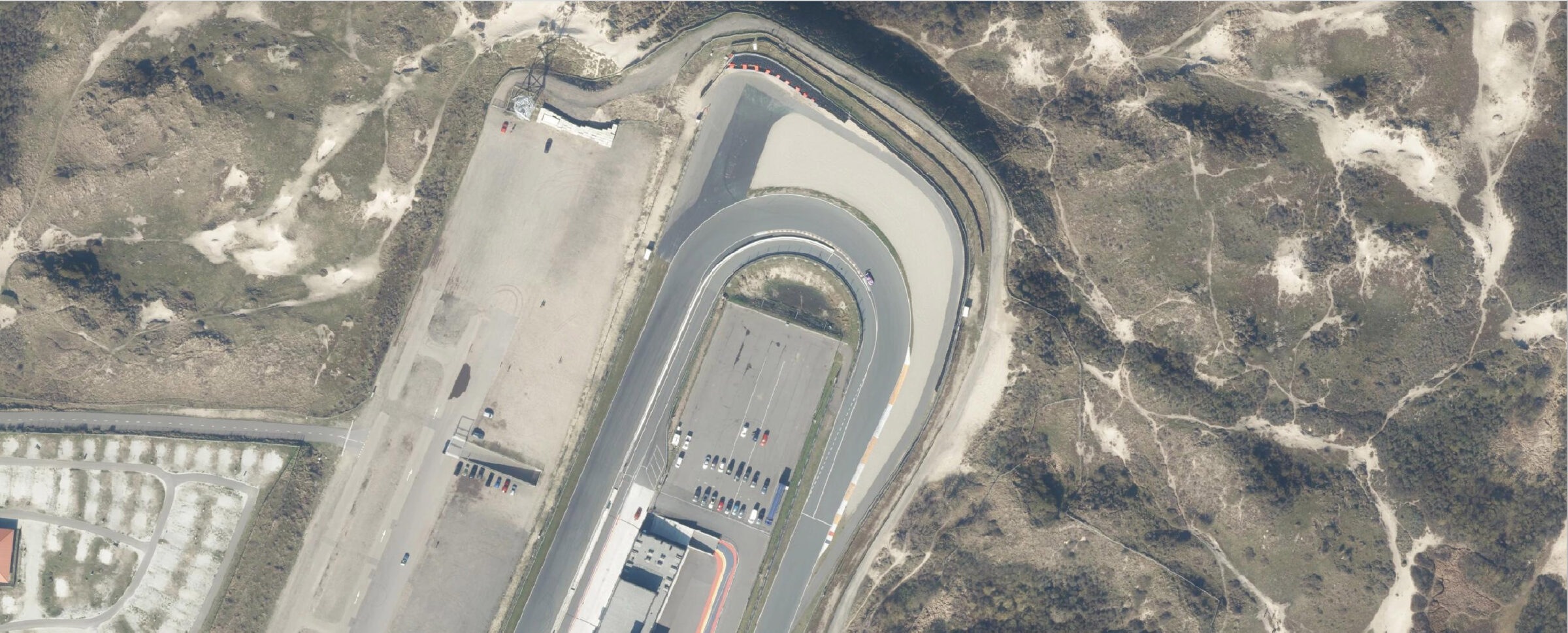
Over the years, the track has changed a lot, but that’s not true of the start-finish line, the Gerlach curve, the Hugenholtz curve, and, of course, the famous Tarzan curve.
The Tarzan Turn is known for its wide braking zone and the frequent passing maneuvers that take place here. That’s because drivers have to brake hard here and make a sharp 180-degree turn, making it one of the best spots on the track to try to pass another car—but at the same time, it’s also a spot where crashes and collisions frequently occur.
Over the years, Zandvoort has built up a rich history in which the village and the racetrack are closely intertwined. As a result, Zandvoort has become a place where the history of the sport and the racetrack itself hold great significance.